
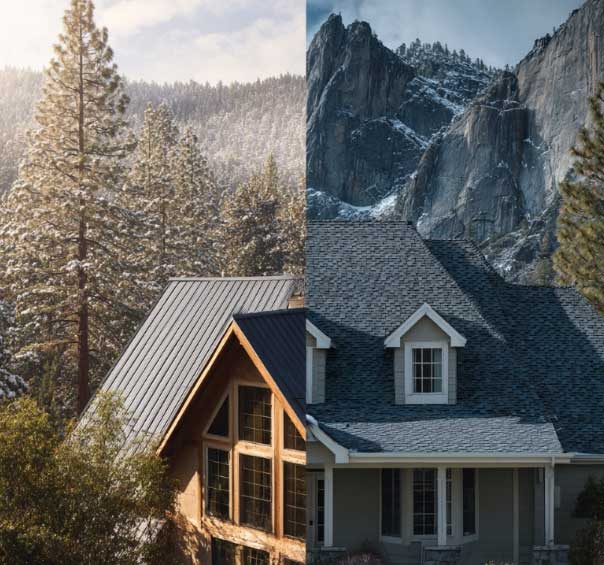
The Hidden Truth About Cabin Roofing Nobody Talks About
You’d think a roof is just a roof, right? Wrong. The reality is that cabin roofing and full-time residential home roofing are as different as a weekend getaway and your daily commute—and the consequences of treating them the same can be costly. Whether you’re dreaming of that perfect mountain retreat or already own a vacation cabin, understanding these critical differences isn’t just smart planning—it’s essential for protecting your investment.
Mills Roofing has spent over 45 years working in Tahoe’s demanding mountain environment, and we’ve seen firsthand how many cabin owners learn these differences the hard way. The structural requirements, material selection, and maintenance demands for vacation properties create unique challenges that most homeowners never anticipate.
Structural Requirements: When Building Codes Get Serious
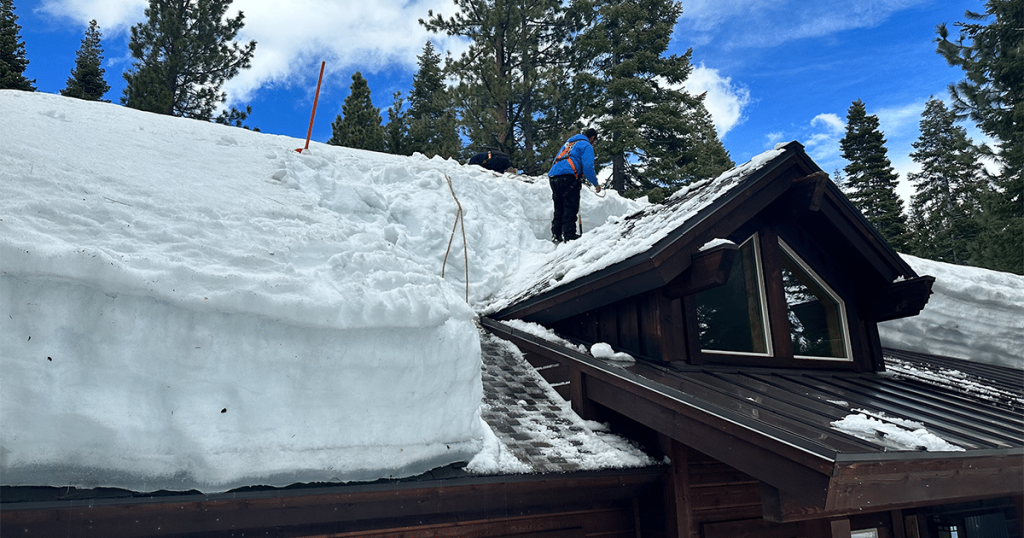
The first major difference lies in structural engineering and building code requirements, particularly for mountain cabins. Vacation homes in areas like Lake Tahoe must be engineered to handle significantly higher snow loads—often 150 to 350 pounds per square foot compared to standard residential requirements of 20-40 pounds per square foot in most climates. This means cabin roof framing typically requires larger beams, closer rafter spacing, and engineered trusses designed for extreme weather conditions.
Unlike your suburban home that might never see more than a few inches of snow, mountain cabins face the reality of multiple feet of snow accumulation throughout winter. Mills Roofing has worked on countless cabin projects where the structural requirements exceeded those of full-time homes by 300-400%, requiring specialized engineering and premium materials to meet International Residential Code standards for high snow load areas.
Material Selection: Why Cabin Roofs Demand Different Solutions
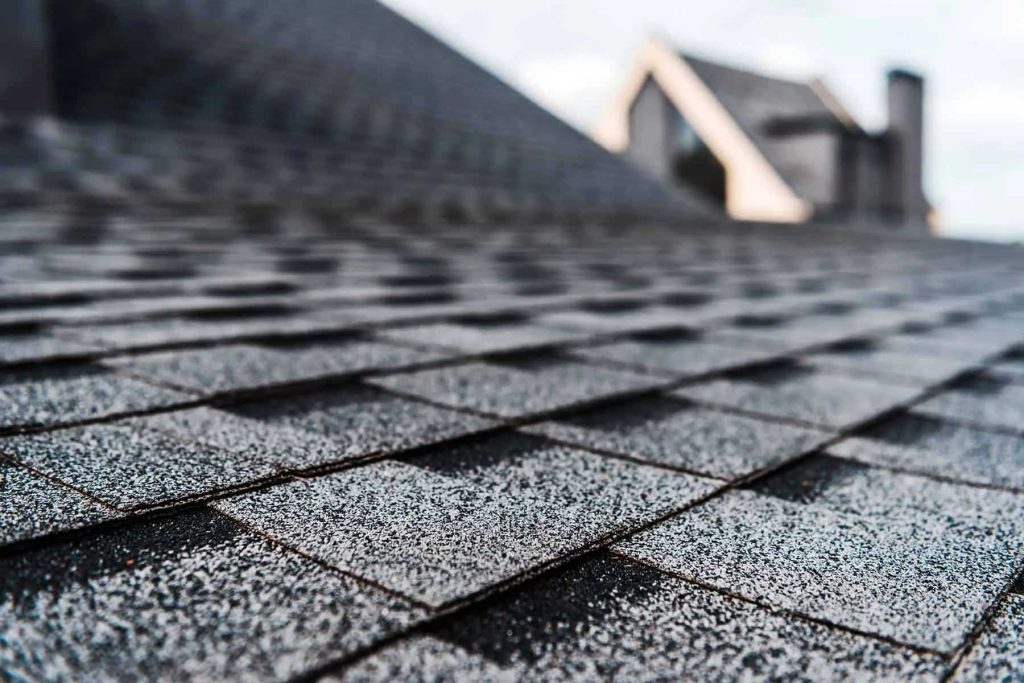
Cabin roofing materials face unique challenges that residential homes rarely encounter, making material selection absolutely critical. Metal roofing has become increasingly popular for cabins—not just for its rustic appeal, but because it sheds snow efficiently and can withstand decades of extreme weather with minimal maintenance. While a suburban home might do fine with standard asphalt shingles, cabin roofs often need architectural shingles, standing seam metal, or specialized materials that can handle dramatic temperature swings, heavy snow loads, and extended periods without occupancy.
The weight considerations for cabin roofing materials are also dramatically different from residential applications. Heavyweight materials like slate or clay tiles that might work beautifully on a suburban home could overstress a cabin’s structure, especially when combined with snow loading. Lightweight yet durable options become essential—which is why many mountain cabin owners choose materials that balance performance with structural compatibility.
Maintenance Schedules: The Vacancy Challenge
Perhaps the biggest difference between cabin and residential roofing lies in maintenance accessibility and monitoring. Your primary residence benefits from daily observation—you notice small leaks immediately, hear unusual sounds during storms, and can address issues before they become catastrophic. Vacation cabins sit empty for weeks or months at a time, allowing small problems to evolve into major structural damage without anyone knowing.
This reality completely changes the maintenance equation for cabin roofing systems. Mills Roofing recommends more frequent professional inspections for vacation properties—typically twice yearly instead of the annual inspections sufficient for occupied homes. The cost of missing a small leak during a cabin’s vacant months can easily exceed the expense of proactive professional monitoring and maintenance.
Environmental Exposure: When Mother Nature Gets Aggressive
Cabin roofs often face far more aggressive environmental conditions than typical residential homes, particularly in mountain and remote locations. Extended exposure to UV radiation at higher elevations, dramatic freeze-thaw cycles, and the physical stress of heavy snow accumulation create wear patterns that simply don’t exist for most suburban roofing systems. Additionally, many cabins are located in heavily wooded areas where falling branches, accumulated debris, and organic growth present ongoing challenges.
The thermal cycling experienced by cabin roofs—especially metal roofing systems—can be extreme compared to residential applications. Mountain cabins might experience 80-degree temperature swings between day and night, creating expansion and contraction stresses that residential roofs in moderate climates never encounter. This environmental reality drives both material selection and fastening system requirements for successful cabin roofing projects.
Insurance and Risk Factors: The Financial Reality Check
Insurance companies recognize the distinct risk profiles of vacation homes versus primary residences, and this difference significantly impacts both coverage and claims. Vacation cabin roofs are statistically more likely to experience weather-related damage, delayed discovery of problems, and catastrophic failures due to undetected issues. These factors result in higher insurance premiums and more restrictive coverage options for cabin owners.
The financial implications extend beyond insurance to emergency repair scenarios. When your primary residence roof develops a leak, you call for immediate service and can oversee the work personally. When a cabin roof fails during a winter storm with the property vacant for months, the resulting damage often includes not just roofing repair but extensive interior restoration from prolonged water exposure.
Professional Installation: Why Expertise Matters More for Cabins
The complexity of cabin roofing installation demands contractors with specific mountain and vacation property experience—something that standard residential roofers often lack. Mills Roofing’s decades of experience in the Tahoe region have taught us that cabin installations require different approaches to ventilation, ice dam prevention, and structural load distribution. The installation techniques that work perfectly for suburban homes can fail catastrophically in mountain cabin applications.
Proper cabin roof installation also requires understanding of seasonal access challenges, material staging in remote locations, and coordination with other trades working in challenging mountain conditions. The logistics alone of getting materials and crews to remote cabin sites adds complexity that most residential roofers never encounter in standard neighborhood installations.
Long-Term Value: Investment Protection Strategies
The final critical difference between cabin and residential roofing lies in long-term value protection and resale considerations. Cabin roofs represent a larger percentage of the property’s total value compared to residential homes, making roof condition disproportionately important for property values. A well-designed and maintained cabin roof system can significantly enhance property value, while a failing system can make a vacation property virtually unsellable.
Smart cabin owners view their roofing system as a critical component of their overall investment strategy, not just a functional necessity. Mills Roofing has seen cabin properties increase in value by tens of thousands of dollars after professional roof upgrades, while similar improvements on residential homes might only add a fraction of their cost to property value.